Materials of this Place: Fresco, Pigments & Lime Plaster
2027 Canelo Workshop
Materials of this Place:
Fresco, Pigments
& Lime Plaster
Harvesting, Firing & Processing Local Materials
Materials of this Place: Fresco, Pigments
& Lime Plaster
Harvesting, Firing & Processing Local Materials
Join us for this one-of-a-kind, five-day specialty workshop exploring the transformation of local earth and stone into lime plasters, pigments, and works of art. Taught by Benito Steen and Pedro Pizarro Villalobos, this hands-on experience follows the process from raw materials to finished surfaces, with everything harvested and processed within a 10-mile radius of The Canelo Project.
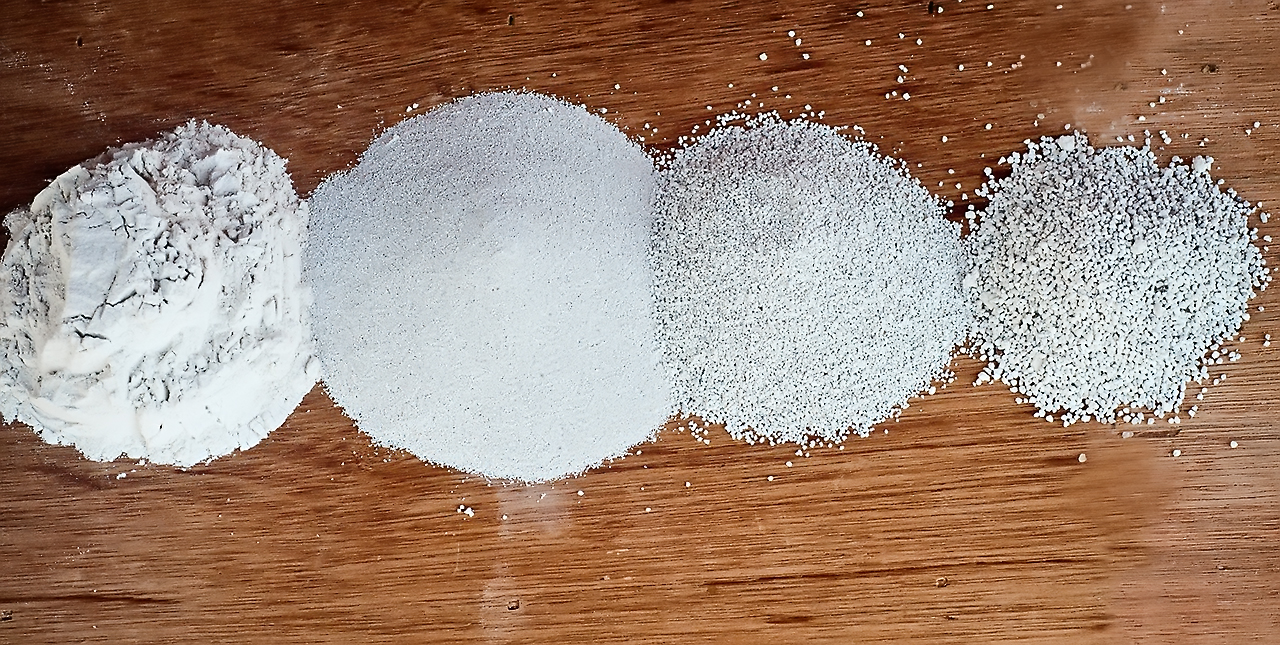
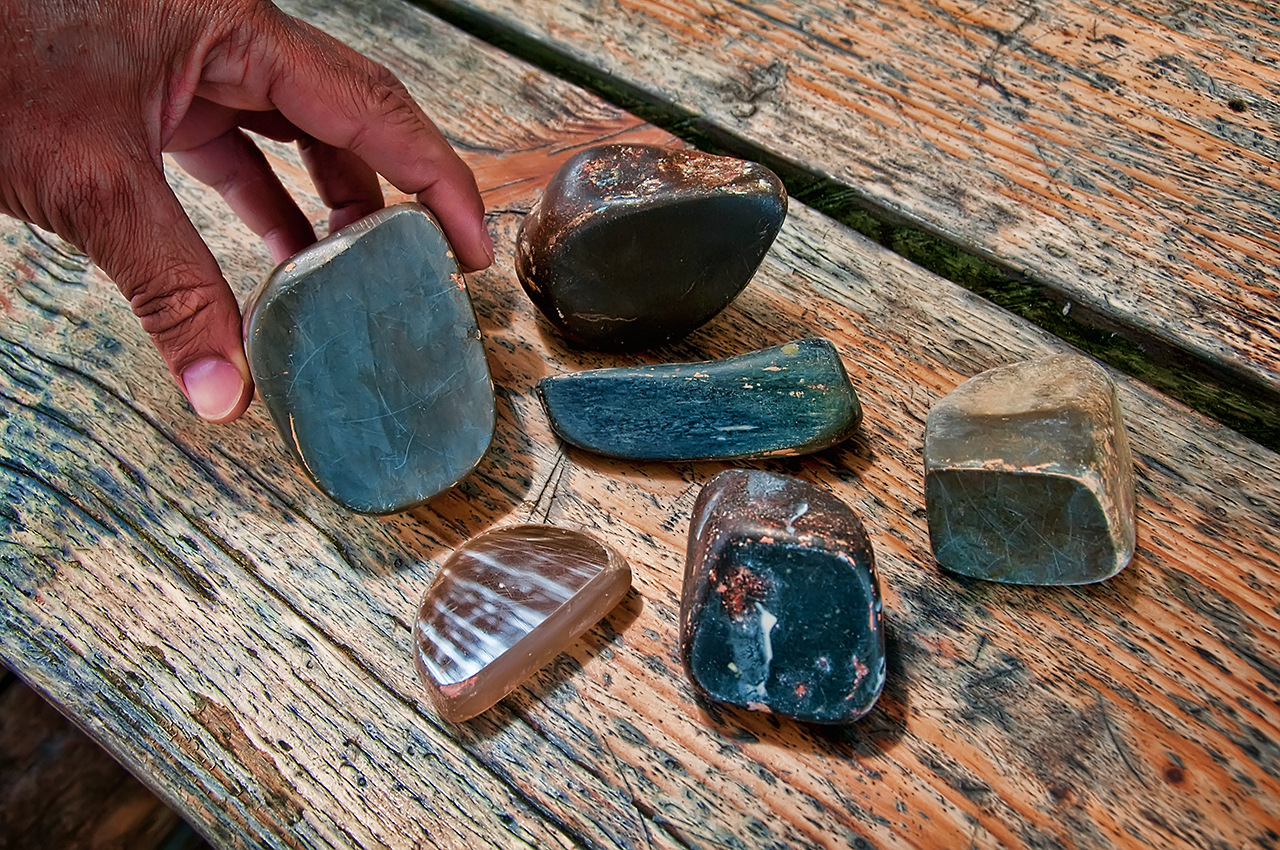
We will venture into the scenic oak grasslands of southeastern Arizona on field trips to gather limestone, aggregates, colored stones, and clays. Back on-site, we will burn and slake the limestone, wash and sift aggregates, and grind stones and clays to produce our own materials.
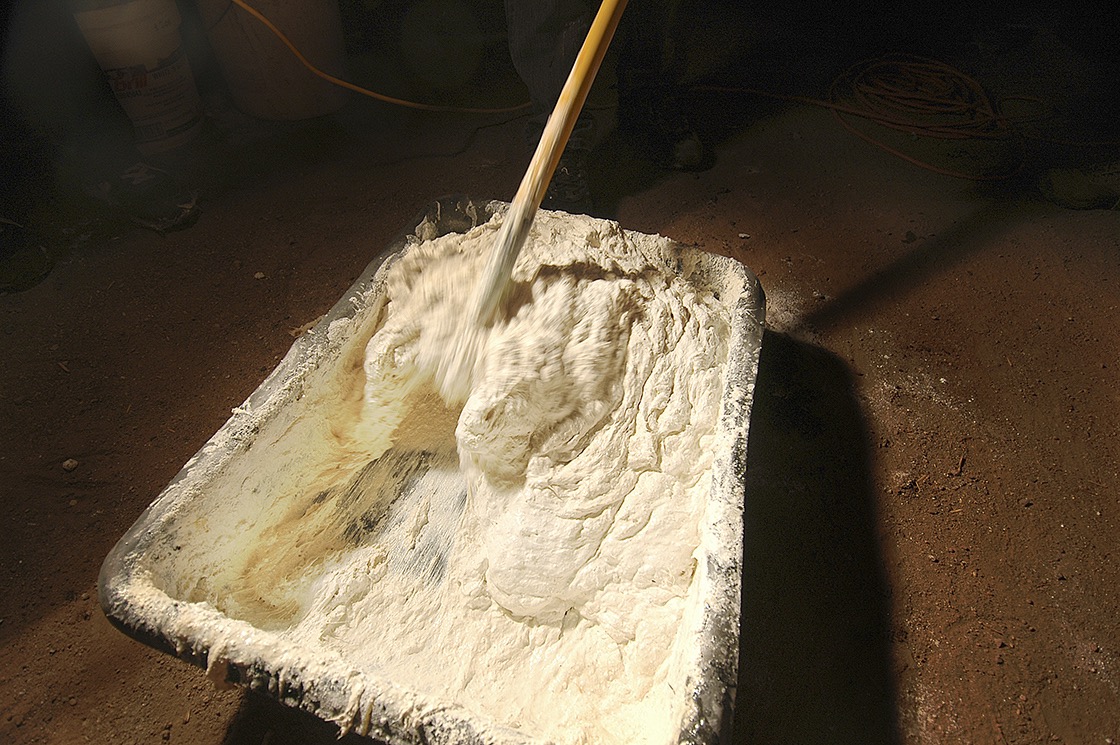
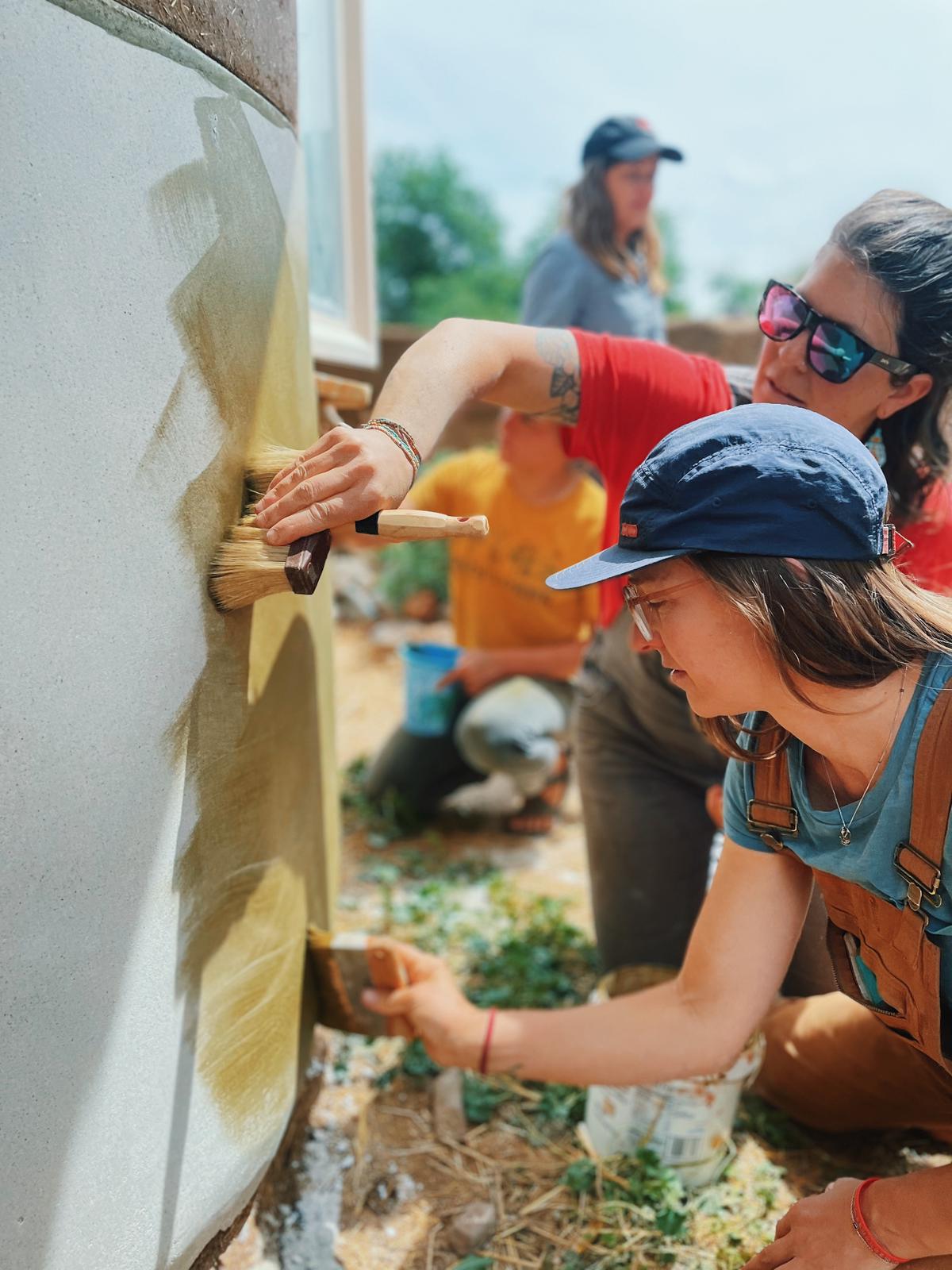
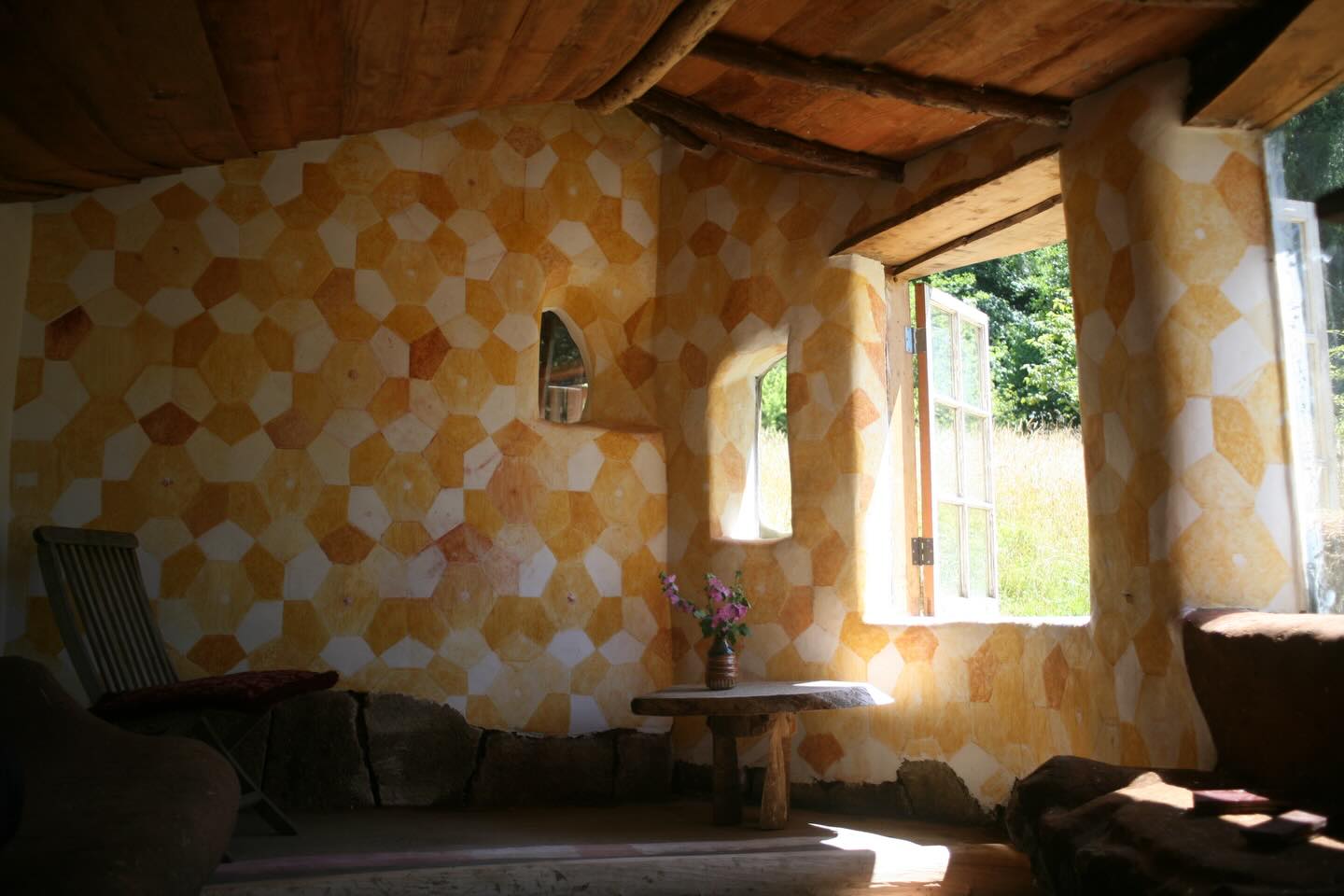
We will explore the unique qualities of our collected materials, combining them to create a range of lime plasters, from coarse to fine finishes, including polished lime plaster—making a water-resistant finish.
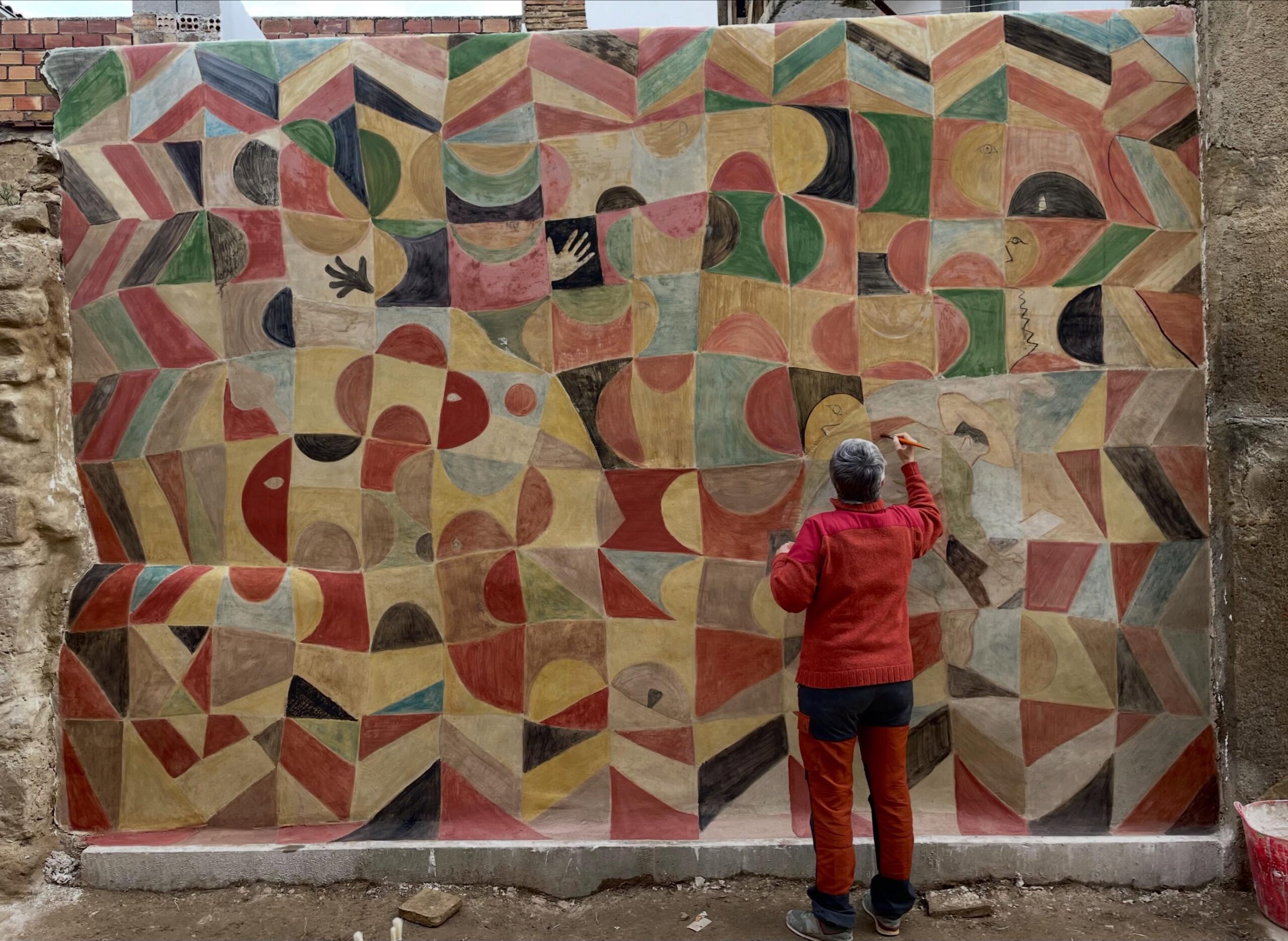
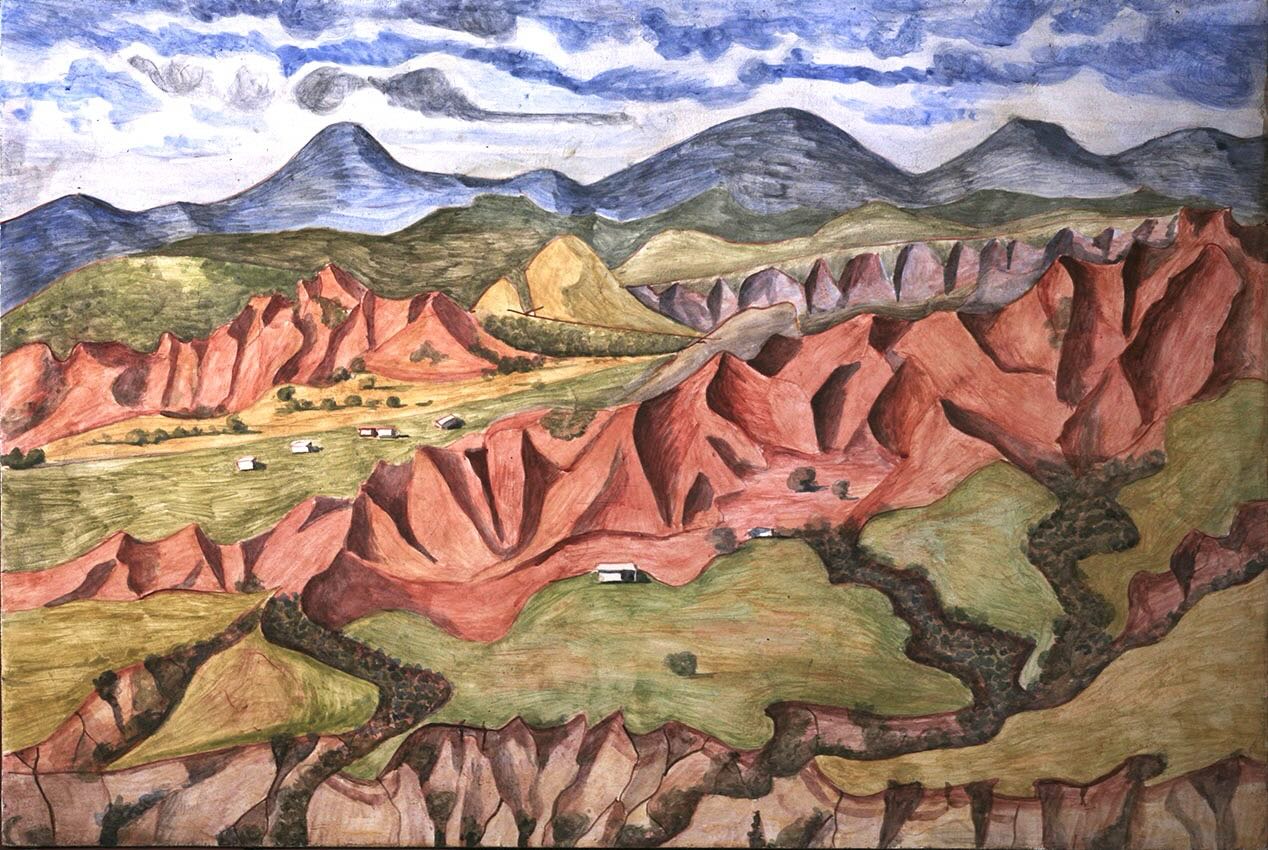
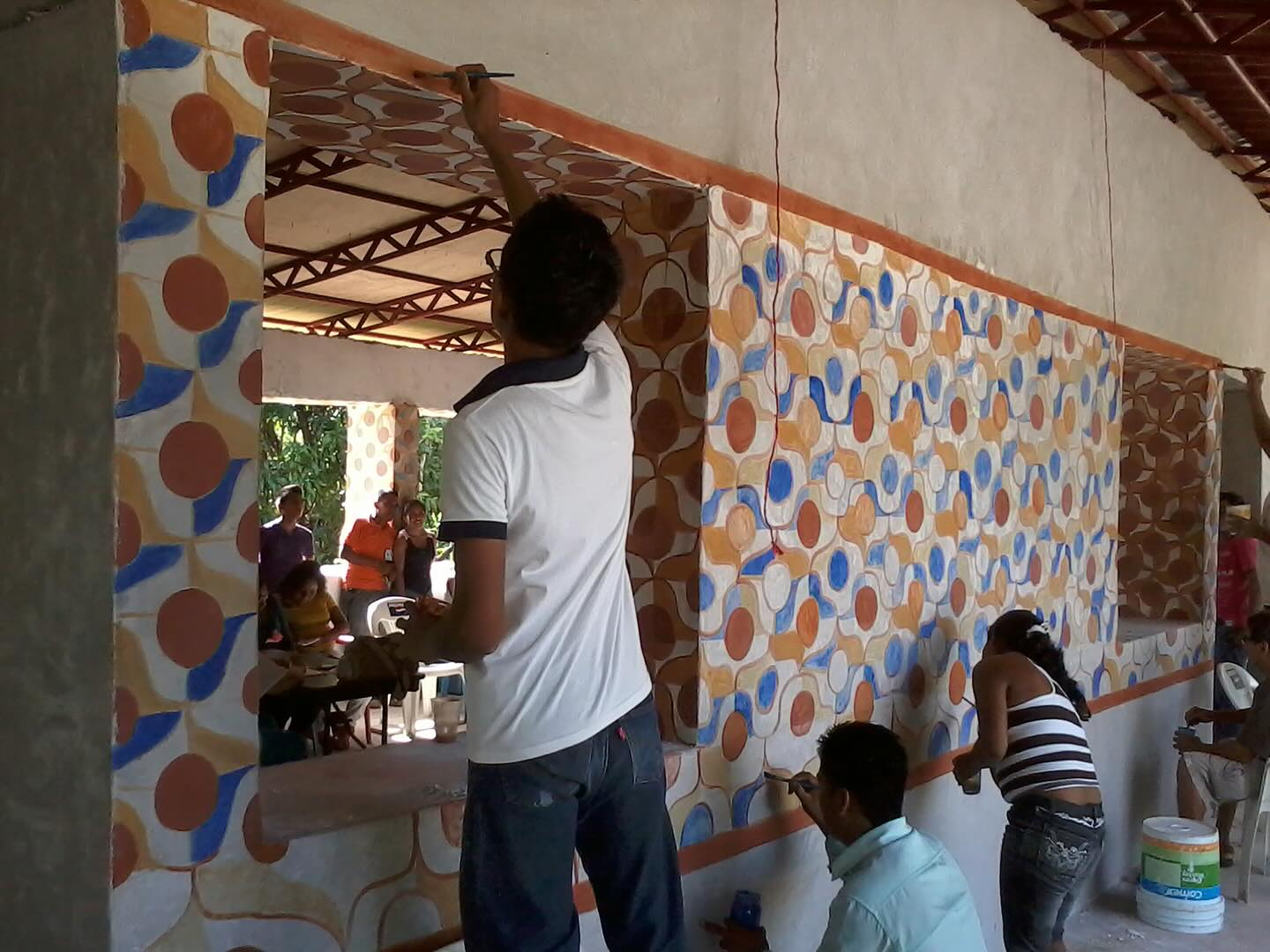
Using pigments derived from our local materials, we will also create a fresco. This ancient painting technique involves applying pigments directly onto fresh, wet lime plaster, allowing the colors to become an integral part of the surface as it cures. The result is a beautiful, durable work of art.
From stone to plaster, from earth to pigment, from landscape to art — discover the materials and processes that connect us to place.
In this workshop, you will learn How to:
- Locate and harvest local materials such as limestone and natural pigments
- Fire and slake limestone
- Plaster techniques with lime from base coats to fine finishes
- Process clay and stone into pigments
- Fresco, a painting technique on fresh lime with water-based pigments.
- Polished, water-resistant lime plaster, which can be used for waterproofing wet areas
Rather than following a fixed collection of recipes, we will let the landscape influence the workshop. We will learn to look closely at the geology, soils, colors, and natural formations around us, not only as sources of materials but as inspiration for our work.
**DISCLAIMER ** Although we will be plastering during this workshop, the focus is on harvesting and processing local materials, NOT on teaching the basic techniques of plastering. Participants should not expect detailed, beginner-level instruction in plaster application. If you want to learn more about plastering, we will be hosting our Fall Natural Plasters workshop in October 2027.
LOGISTICS
- Dates: This course begins with orientation and dinner Tuesday evening 6:30pm, March 2, and ends Sunday, March 7, at 5pm. Dinner that evening and breakfast the following morning will be provided.
- Meals: All meals are included in the workshop price.
- Accommodations: Camping is included in the workshop price. We have a private rooms available for $40 per night and a shared bunkroom available for $10 per night.
- Deposit: A $400 deposit is required to upon registration for this workshop
Read more as you register on our General Workshop Info.
Workshop Syllabus
- Arrival previous evening, dinner included at 6:30pm, introductions at 8pm,
Day One
- Field trip to explore the surrounding landscape and harvest limestone
- Learn to identify and select suitable stone for lime burning
- Return to Canelo and prepare and stack the lime kiln
- Introduction to fresco: materials, principles, and the traditional process
- Begin preparing fresco bases and practice panel
- Fire the lime kiln and begin the transformation from limestone to lime
- Field trip to harvest clays, natural pigments, minerals, sands, and aggregates
- Explore the landscape for natural colors and useful materials
- Process and prepare collected pigments
- Load selected pigments into the ball mill for overnight grinding
- Slake the freshly burned lime
- Process and evaluate the clays, sands, and aggregates collected from the landscape
- Retrieve and refine pigments from the ball mill
- Experiment with natural additives and organic fibers
- Begin mixing locally sourced lime plasters
- Begin fresco work
- Continue fresco painting with our visiting artist
- Polished lime-plaster techniques
- Mix and test our locally harvested materials
- Apply and work practice panels
- Develop colors and finishes from our locally processed materials
- Begin the larger collaborative project
- Finish lime-plaster surfaces
- Continue and complete the collaborative project





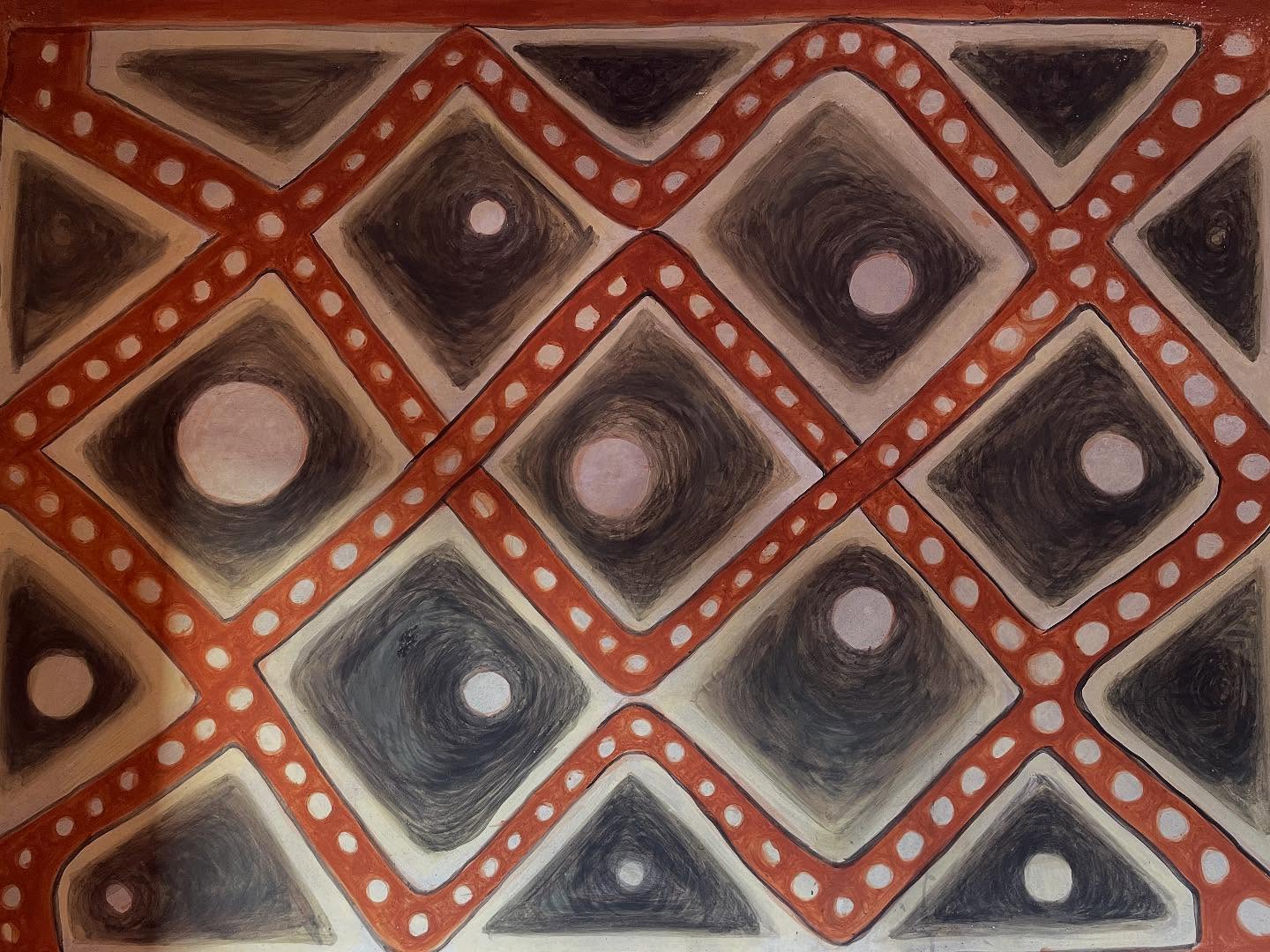

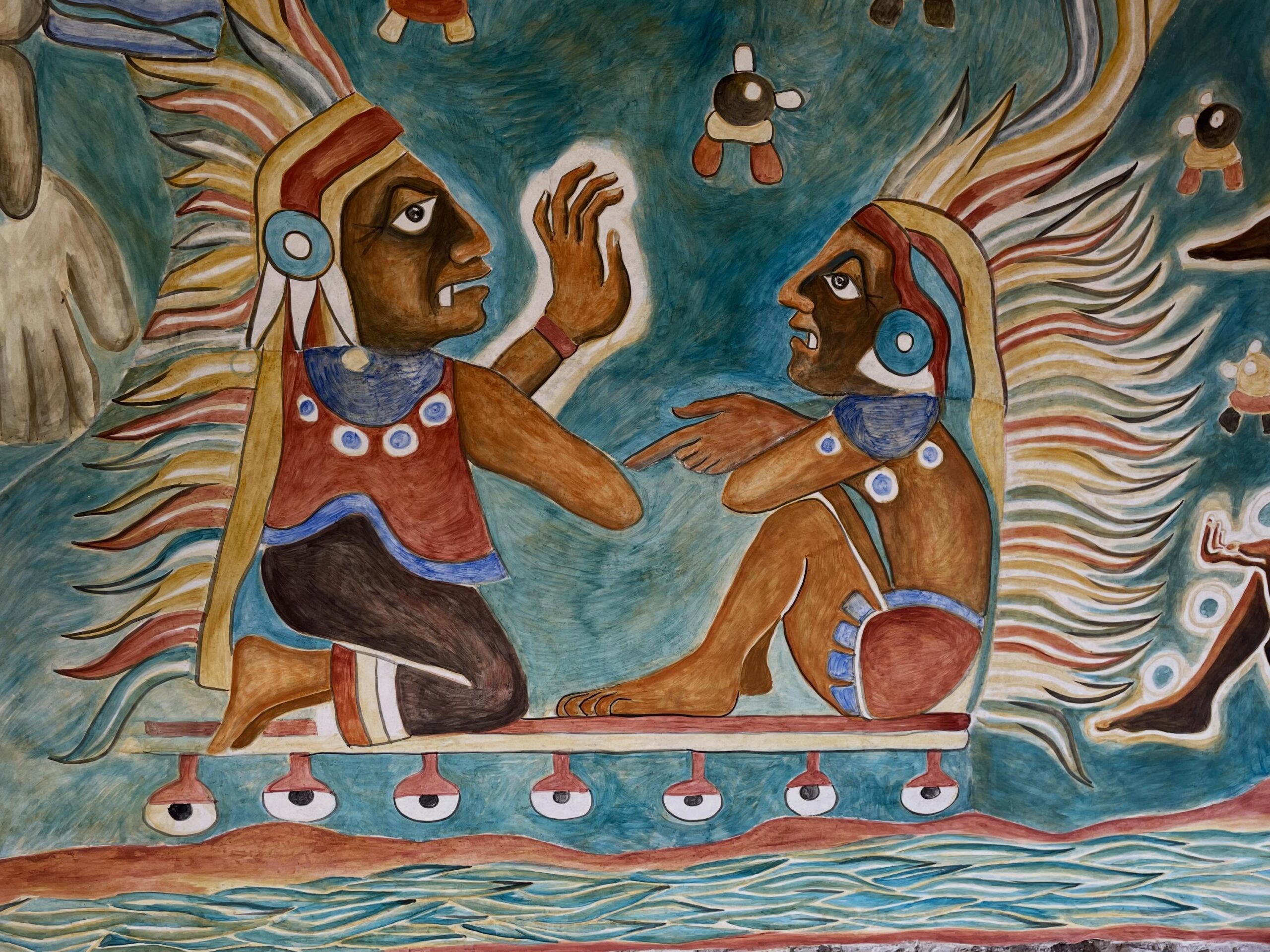


Instructors:

BENITO STEEN is a builder and artist, who strives to find the connection between space and beauty, shelter and nature, the hand and materials. Born and raised in southeastern Arizona where his parents teach natural building, Benito comes from a long lineage of artists and makers and grew up surrounded by people from around the world coming in with new skills and crafts every day. Homeschooled, he gravitated early on as teenager towards the trades and arts such as: plastering, blacksmithing and woodworking.
He has taught natural building and timber framing throughout the US, Latin American, Southeast Asia and New Zealand. Always learning and experimenting he mixes old techniques with the new, to create beautifully sustainable and healthy houses.
He and his brother Kalin also run the successful YouTube channel the Nito Project, inspiring people of all ages, across the world, to learn about Natural Building and crafting with earth
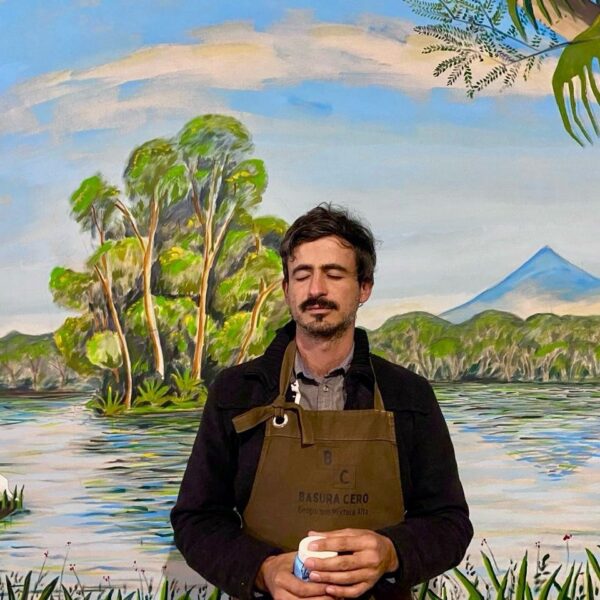
PEDRO PIZARRO VILLALOBOS is a Mexican muralist and architect. He is a master of cob construction and fresco mural painting. He has built earthen structures in Mexico, Peru, Brazil, China, and the United States.
Since 2017, he has collaborated with the artist collective Lagartijas tiradas al Sol, creating paintings and scenic spaces. He has worked with the United Nations Development Programme in Cuba and is a member of the PROTERRA Network.
You can see more of his work on Instagram: pedropizarrovillalobos